
I recently visited Gaziantep, and I think I saw one of the most impressive museums I’ve ever been to: the Zeugma Mosaic Museum. Honestly, From the moment I walked through the door, I was mesmerized. Inside is a world not just of stones, but of stories carved into time itself.
Zeugma was an ancient Roman city founded on the banks of the Euphrates River. Its name means “bridge,” a fitting title for a city that once connected East and West. In ancient times, Zeugma was a wealthy city, and its residents decorated their homes with stunning mosaics. Imagine looking down and seeing mythological gods, love stories, sea creatures, or everyday life scenes right beneath your feet.
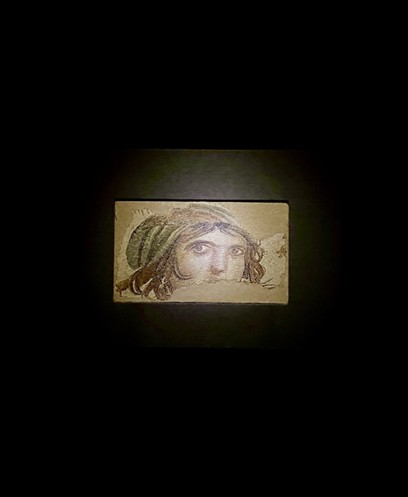
The mosaics are so detailed, it’s hard to believe they’re made from stone. The colors remain vivid, and the expressions are incredibly lifelike. One of the most famous mosaics —maybe you’ve even heard of— is the Gypsy Girl. It’s just a small fragment, but its impact is enormous. Her eyes seem to follow you wherever you go.
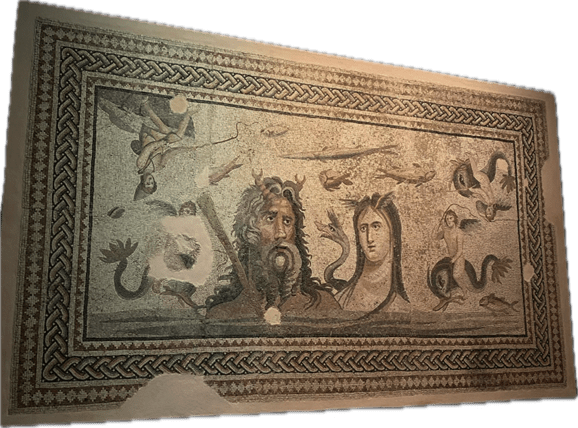
There’s also the Oceanus and Tethys mosaic, depicting the god and goddess of the sea. It feels like a mythological scene is coming to life in the waves. Another must-see is The Wedding of Dionysus. Each figure in the scene holds a unique expression and movement—it’s like a snapshot from a divine celebration.
The museum isn’t just about mosaics, though. There are sculptures, archaeological findings, and interactive digital displays too. I don’t think I’ve ever seen history and technology combined so beautifully. Some mosaics are even displayed beneath glass floors, so as you walk, you’re literally stepping over stories from thousands of years ago.

In short, the Zeugma Museum is more than just an art gallery—it’s a quiet yet powerful storyteller that bridges the past and the present. If you ever find yourself in Gaziantep, don’t leave without visiting. Sure, the baklava is great—but don’t miss the stories told in stone at the Zeugma Museum.
References:

